Maintenance of General Anesthesia Using Sevoflurane Versus Propofol in Total Intravenous Anesthesia (TIVA)
March 23, 2026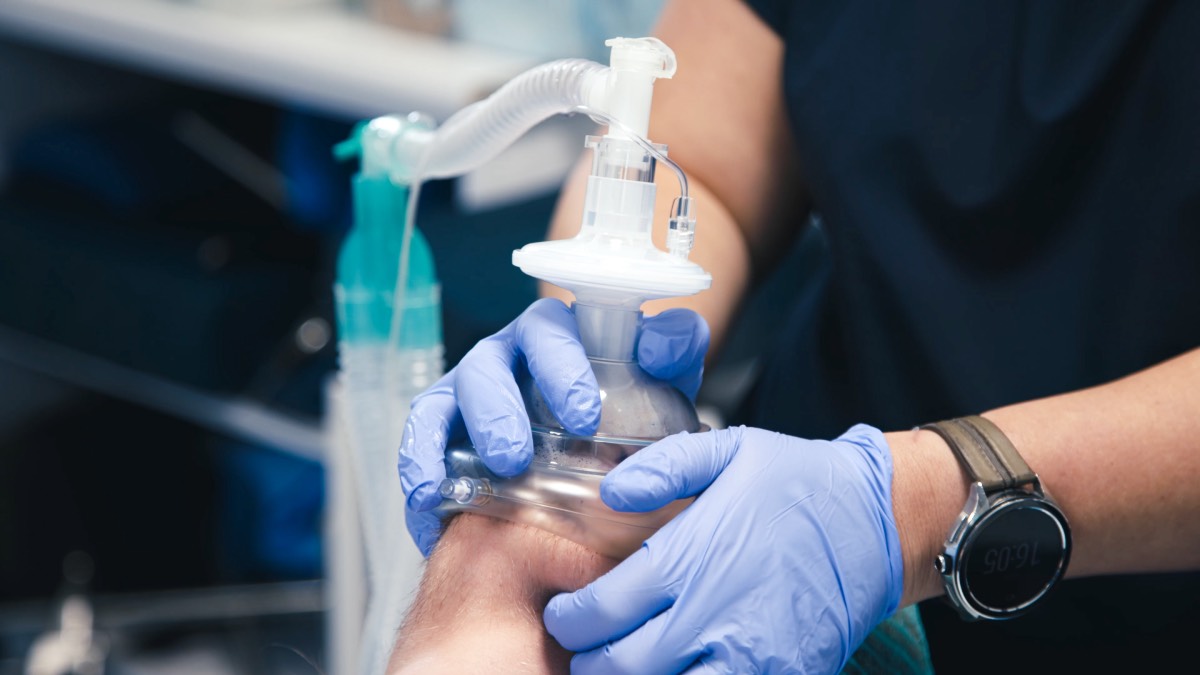
General anesthesia can be maintained using volatile inhalational anesthetics such as sevoflurane or with agents like propofol during total intravenous anesthesia (TIVA). Both techniques reliably provide hypnosis, amnesia, and rapid emergence after surgery, allowing broad application across surgical specialties. Sevoflurane is administered via inhalation, while propofol is delivered intravenously, usually through continuous infusion. However, these anesthetics differ in their pharmacological mechanisms, adverse effect profiles, recovery characteristics, and environmental implications. While major perioperative outcomes are generally similar, there are clinically significant differences in postoperative nausea and vomiting (PONV), neurocognitive recovery, quality of recovery, and environmental impact (1).
Sevoflurane is a volatile, halogenated ether anesthetic that is administered via inhalation using a vaporizer system. Its low blood–gas partition coefficient enables rapid titration of anesthetic depth and relatively fast emergence after discontinuation. The drug is largely eliminated unchanged via the lungs, with only minimal hepatic metabolism. Propofol, in contrast, is an intravenous sedative-hypnotic administered as a continuous infusion during total intravenous anesthesia, typically in combination with short-acting opioids, such as remifentanil or fentanyl, to provide analgesia. Its duration of action is primarily determined by the rapid redistribution of the drug from the brain to peripheral tissues, followed by hepatic metabolism rather than exhalation. Despite these differences in delivery and pharmacokinetics, for most patients, both sevoflurane and propofol are reliable agents for the maintenance of surgical anesthesia (2).
One of the most consistent differences between these anesthetic strategies is the incidence of postoperative nausea and vomiting. Exposure to volatile anesthetics, such as sevoflurane, is a well-established risk factor for this condition. In contrast, propofol has intrinsic antiemetic properties. Several randomized trials and meta-analyses have shown that propofol-based TIVA is associated with a lower incidence of postoperative nausea and vomiting than maintenance with volatile anesthetics such as sevoflurane. This distinction is particularly relevant in ambulatory surgery and in patients at high risk for PONV according to validated scoring systems, such as the Apfel score (1).
Neurocognitive outcomes are also important to perioperative decision-making. Postoperative delirium and postoperative cognitive dysfunction frequently occur in elderly patients and after prolonged surgical procedures. Evidence from clinical trials suggests that, compared with volatile anesthetics, propofol-based anesthesia may reduce the incidence of postoperative delirium and improve early cognitive recovery in some patient populations. However, findings are not entirely consistent (3).
The quality of recovery and patient experience may differ slightly between the two approaches. Some studies report improved early recovery scores, reduced emergence agitation, and slightly decreased postoperative pain in patients who received propofol anesthesia. However, these differences are generally small, and both techniques enable rapid postoperative recovery in
most surgical settings. Environmental considerations have also become increasingly relevant in anesthetic practice, as volatile anesthetics such as sevoflurane contribute to greenhouse gas emissions and occupational exposure risk for OR staff.
Hemodynamic effects are an important consideration when selecting an anesthetic maintenance strategy. Both sevoflurane and propofol commonly reduce blood pressure during anesthesia. Propofol decreases systemic vascular resistance through vasodilation and can cause mild myocardial depression, which contributes to hypotension during induction and maintenance. Sevoflurane also causes dose-dependent vasodilation and reductions in systemic vascular resistance. Comparative studies have generally demonstrated that neither technique consistently provides superior hemodynamic stability, and intraoperative hypotension may occur with either anesthetic (4).
Overall, sevoflurane-based inhalational anesthesia and propofol-based total intravenous anesthesia are comparable in their effectiveness in the maintenance general anesthesia. Clinically meaningful differences include PONV risk, neurocognitive recovery, environmental impact, and workflow considerations. Anesthetic selection should be tailored to each patient’s risk factors, the surgical context, and the clinician’s preference.
References
1. Schraag S, Pradelli L, Alsaleh AJO, et al. Propofol vs. inhalational agents to maintain general anaesthesia in ambulatory and in-patient surgery: a systematic review and meta-analysis. BMC Anesthesiol. 2018;18(1):162. Published 2018 Nov 8. doi:10.1186/s12871-018-0632-3
2. Dai Z, Lin M, Li Y, et al. Sevoflurane-Remifentanil Versus Propofol-Remifentanil Anesthesia During Noncardiac Surgery for Patients with Coronary Artery Disease – A Prospective Study Between 2016 and 2017 at a Single Center. Med Sci Monit. 2021;27:e929835. Published 2021 Aug 21. doi:10.12659/MSM.929835
3. Meng W, Yang C, Wei X, et al. Type of anesthesia and quality of recovery in male patients undergoing lumbar surgery: a randomized trial comparing propofol-remifentanil total i.v. anesthesia with sevoflurane anesthesia. BMC Anesthesiol. 2021;21(1):300. Published 2021 Dec 1. doi:10.1186/s12871-021-01519-y
4. Çaparlar CÖ, Özhan MÖ, Süzer MA, et al. Fast-track anesthesia in patients undergoing outpatient laparoscopic cholecystectomy: comparison of sevoflurane with total intravenous anesthesia. J Clin Anesth. 2017;37:25-30. doi:10.1016/j.jclinane.2016.10.036