The articles below are provided for general educational purposes only and are not a substitute for professional medical advice. Please read our full medical disclaimer before relying on any information found here.
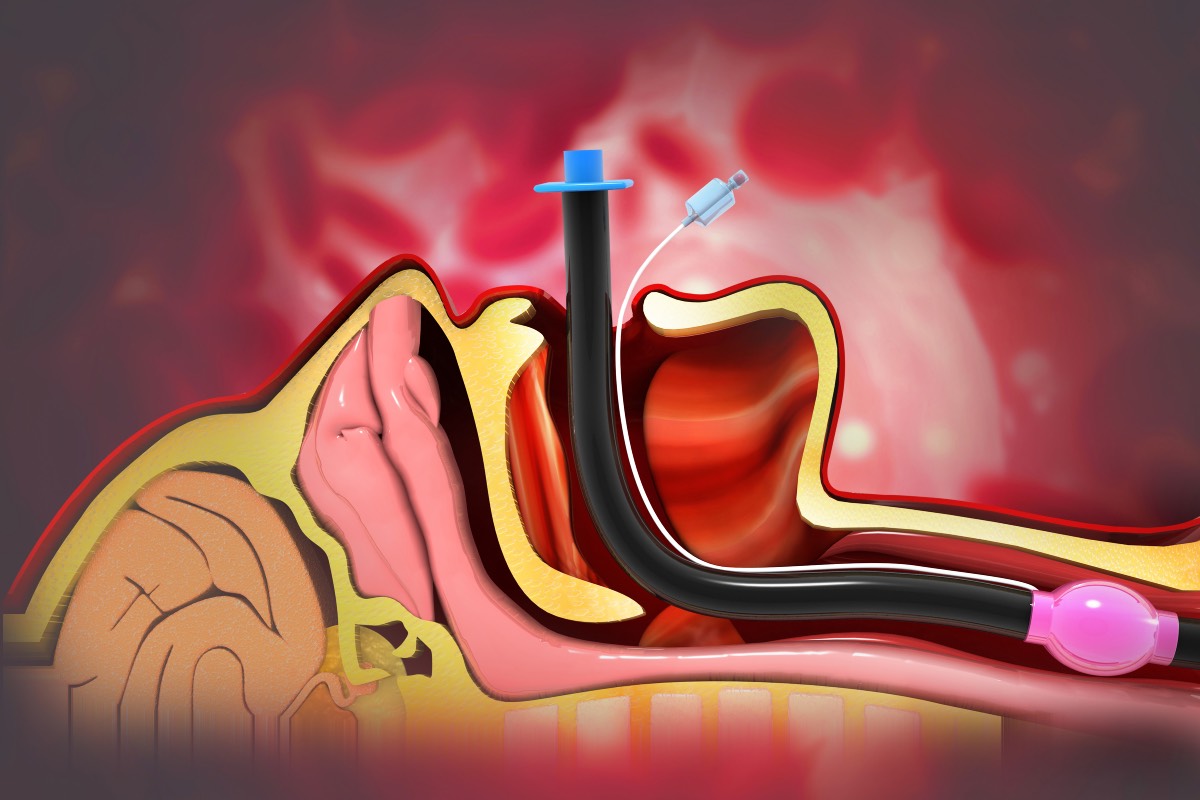
Endotracheal intubation is a life-saving procedure that facilitates control of airflow, can help manage pulmonary complications of disease, and help t
Read More →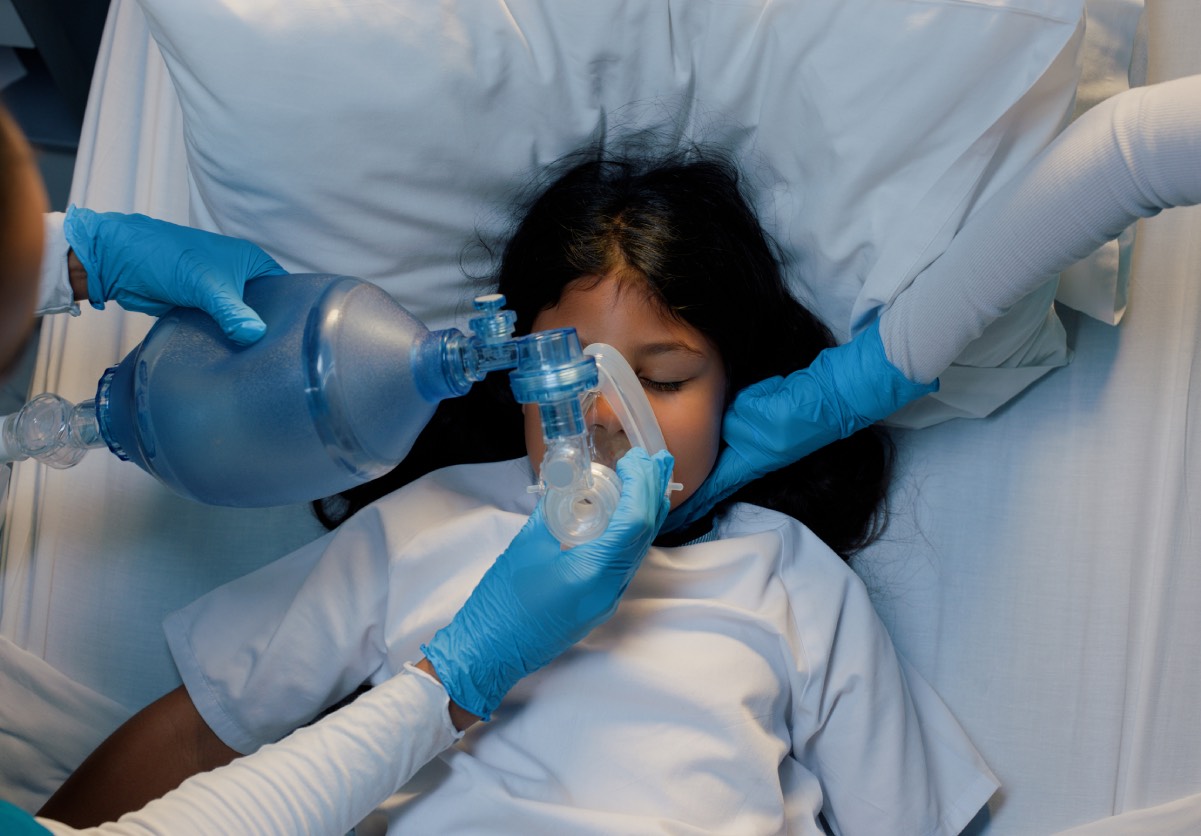
Airway management in pediatric patients presents unique challenges and risks compared to adults. Due to anatomical, physiological, and developmental d
Read More →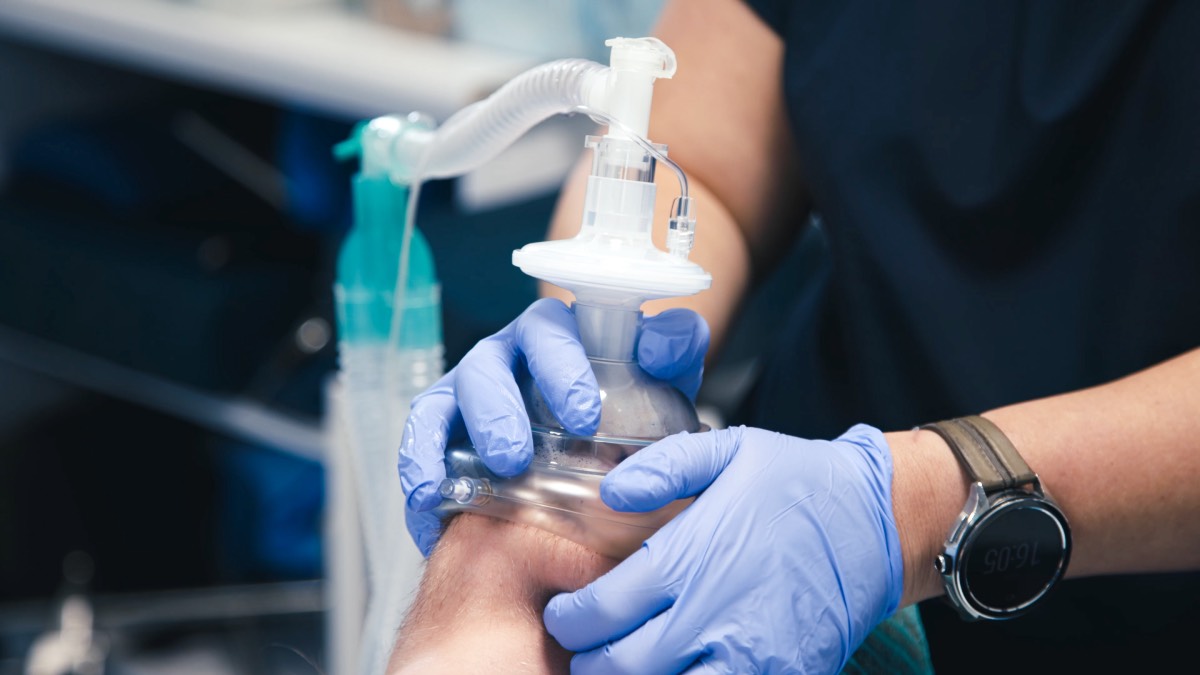
General anesthesia can be maintained using volatile inhalational anesthetics such as sevoflurane or with agents like propofol during total intravenous
Read More →
Human beings maintain a core body temperature of approximately 36.5–37.5°C through thermoregulation, which is controlled by the hypothalamus. However,
Read More →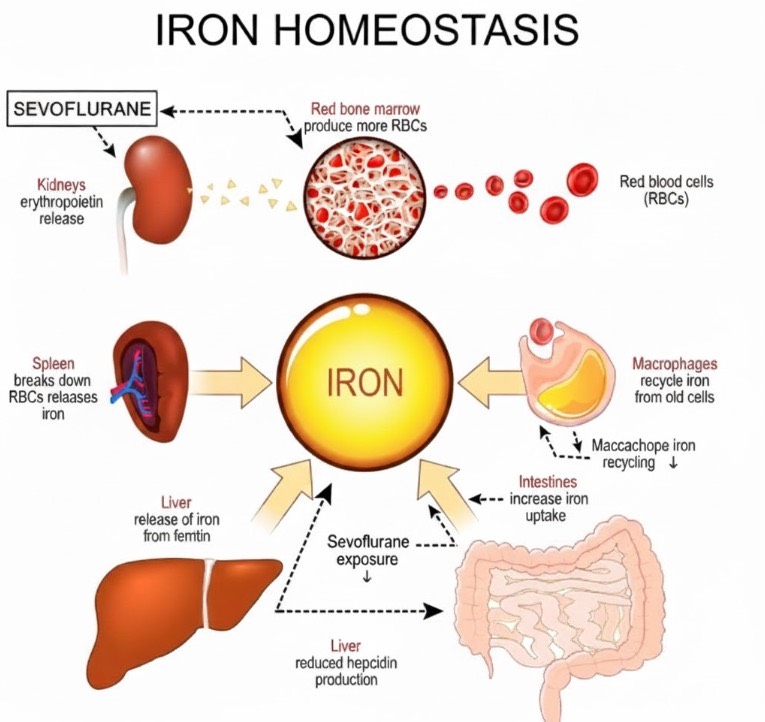
Iron is essential for normal brain function, supporting processes such as energy metabolism, DNA synthesis, and cellular signaling. Consequently, disr
Read More →
Anesthesia Information Management Systems (AIMS) were originally designed to support anesthesiologists during surgery, helping them document medicatio
Read More →
Transporting intubated patients, whether within or between facilities, is a complicated process that requires speed, close monitoring, and optimized i
Read More →
Methylenetetrahydrofolate reductase (MTHFR) deficiency is a rare inherited disorder that interferes with the metabolism of folate and the regulation o
Read More →
Peripheral nerve blocks (PNBs) are widely used to provide pain relief during and after surgery, as they offer an effective … Continue reading “Monitor
Read More →