
For Informational Purposes Only
Developing a “Green” Anesthesia Machine
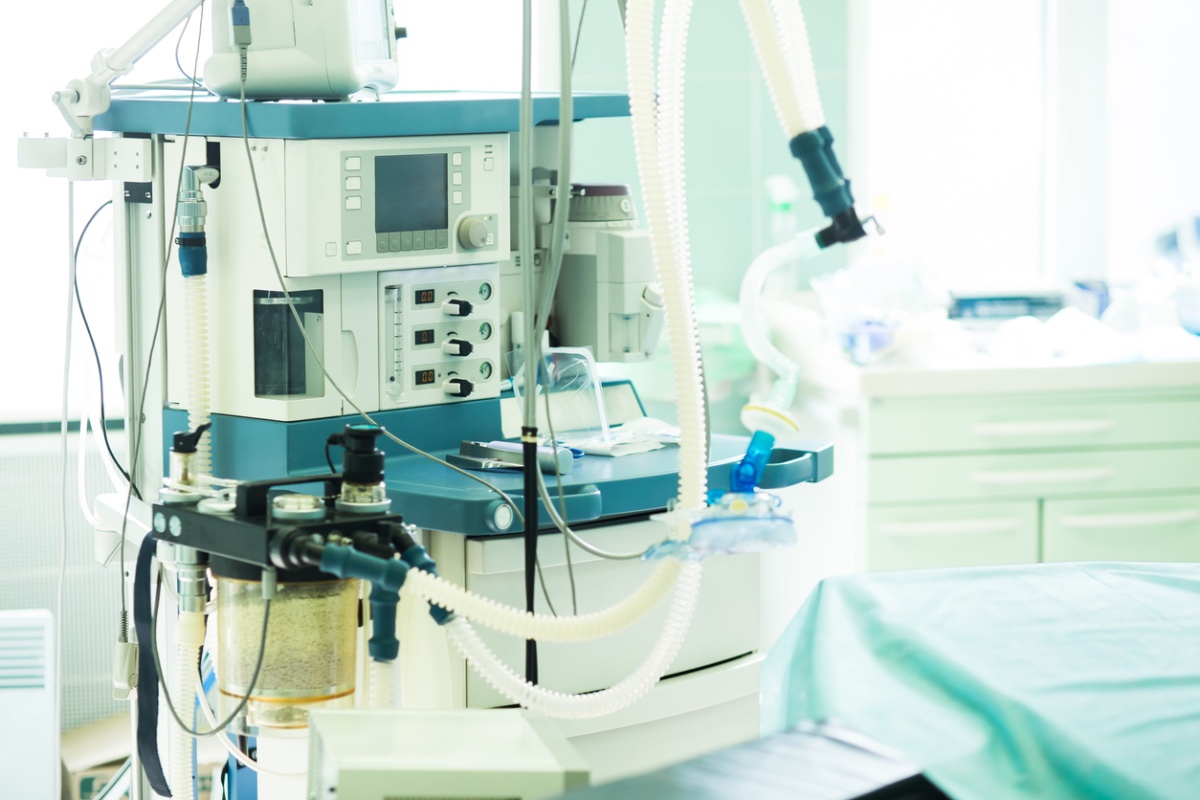
The growing emphasis on sustainability in healthcare has prompted efforts to reduce the environmental impact of anesthetic practice. Operating rooms are significant contributors to hospital energy consumption, medical waste, and greenhouse gas emissions. Anesthesia machines contribute to this environmental burden through the consumption of volatile anesthetic agents, fresh gases, electricity, and disposable equipment. Developing a “green” anesthesia machine involves integrating technologies that minimize resource consumption and environmental emissions while continuing to prioritize patient safety and anesthetic efficacy.
One of the primary environmental concerns associated with anesthesia machines is the release of volatile anesthetic agents into the atmosphere. Sevoflurane, isoflurane, desflurane, and nitrous oxide are greenhouse gases with varying global warming potentials. Desflurane has a particularly high environmental impact, with a global warming potential approximately 20 times greater than that of sevoflurane. Sherman et al. demonstrated that anesthetic drug selection significantly influences greenhouse gas emissions,1 and the field has steadily moved away from desflurane. However, mitigating the effects of waste gases remains an applicable area for “greening” anesthesia.
A central feature of green anesthesia machines is the ability to deliver low- or minimal-flow anesthesia. Traditional anesthesia delivery systems frequently use fresh gas flows exceeding the patient's metabolic requirements, resulting in unnecessary anesthetic consumption and atmospheric release. Modern circle breathing systems equipped with carbon dioxide absorbers permit rebreathing of exhaled gases, reducing fresh gas requirements. Low-flow anesthesia, commonly defined as fresh gas flows of 1 L/min or less, can substantially decrease volatile anesthetic consumption without compromising patient safety when appropriate monitoring is maintained.2
Automated end-tidal gas control is another important advancement in green anesthesia machine design. These systems continuously adjust fresh gas flow and anesthetic delivery to maintain predetermined end-tidal anesthetic and oxygen concentrations. By minimizing unnecessary gas administration, automated systems improve efficiency and reduce waste. In a study involving 3,675 anesthetic cases, Tay et al. demonstrated that automated end-tidal control reduced volatile anesthetic costs by 27% and estimated greenhouse gas emissions by 44% compared with manual control.3 These findings suggest that intelligent gas delivery systems can provide both environmental and economic benefits.
Another potential innovation involves incorporating anesthetic gas capture and recycling technologies. Conventional scavenging systems remove waste anesthetic gases from the operating room but generally release them into the atmosphere. Emerging technologies aim to capture volatile anesthetics using adsorption systems, potentially allowing recovery, recycling, or destruction of these compounds. However, challenges involving capture efficiency, cost, energy requirements, and regulatory approval currently limit widespread implementation. Further research is necessary to determine whether these technologies provide meaningful environmental benefits across their entire life cycles.4
Energy efficiency and sustainable manufacturing are additional considerations when developing green anesthesia technology. Future machines could incorporate energy-efficient components, automated standby modes, durable materials, and modular designs that facilitate repair rather than replacement. Reducing disposable components and improving compatibility with reusable breathing circuits may further decrease medical waste. Life-cycle assessments should evaluate environmental impacts associated with manufacturing, transportation, clinical use, maintenance, and disposal rather than focusing exclusively on anesthetic gas emissions.
Beyond technological advancements, successful implementation of environmentally sustainable anesthesia technology requires collaboration between manufacturers, anesthesiologists, and healthcare institutions. Ultimately, green anesthesia machines are an important opportunity to reduce the carbon footprint of perioperative care. Through low-flow anesthesia, automated gas delivery, improved scavenging technologies, and energy-efficient design, future anesthesia workstations may substantially decrease resource consumption and greenhouse gas emissions. Continued innovation and institutional commitment will be essential to integrating sustainability into routine anesthetic practice.
References
1. Sherman J, Le C, Lamers V, Eckelman M. Life cycle greenhouse gas emissions of anesthetic drugs. Anesth Analg.2012;114(5):1086-1090. doi: 10.1016/j.aan.2016.07.004
2. White SM, Shelton CL, Gelb AW, et al. Principles of environmentally-sustainable anaesthesia: a global consensus statement from the World Federation of Societies of Anaesthesiologists. Anaesthesia. 2022;77(2):201-212. doi: 10.1111/anae.15598
3. Tay S, Weinberg L, Peyton P, Story D, Briedis J. Financial and environmental costs of manual versus automated control of end-tidal gas concentrations. Anaesth Intensive Care. 2013;41(1):95-101. doi: 10.1213/ANE.0000000000007132
4. Varughese S, Ahmed R. Environmental and occupational considerations of anesthesia: a narrative review and update. Anesth Analg. 2021;133(4):826-835. doi: 10.1097/MOU.0000000000001192