The articles below are provided for general educational purposes only and are not a substitute for professional medical advice. Please read our full medical disclaimer before relying on any information found here.
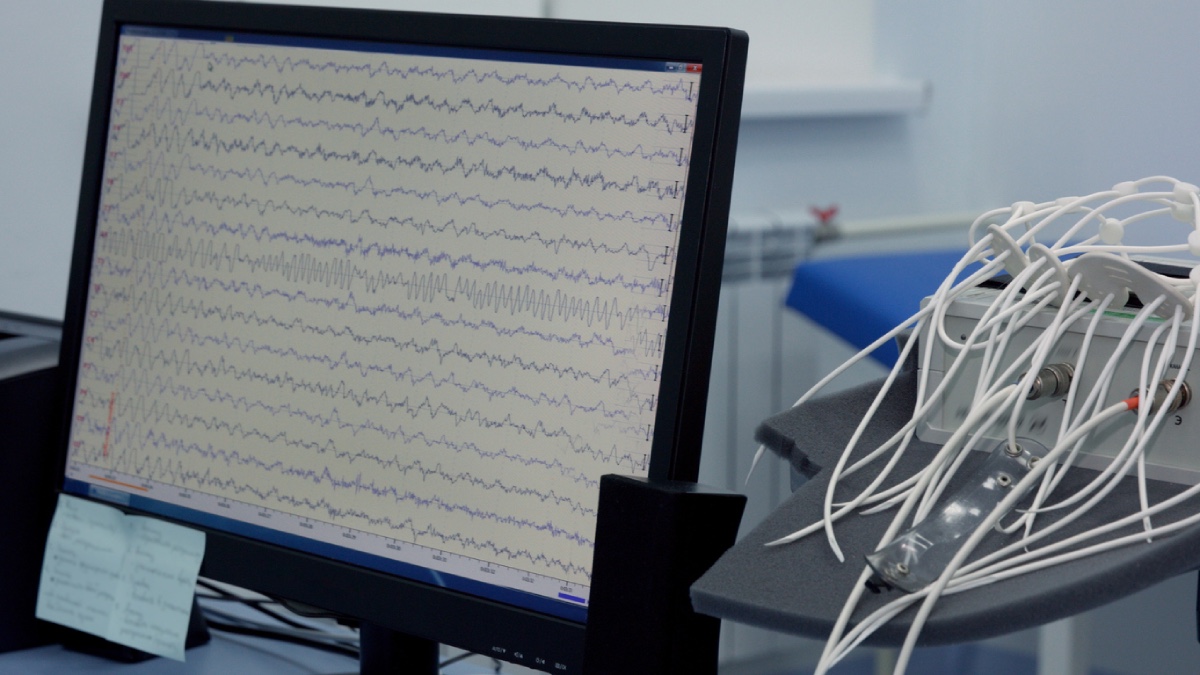
In medical communication, healthcare workers frequently use euphemisms or metaphors to explain physiological or pharmacological processes in ways that patients can more easily understand. One common example is using “putting someone to …
Read More →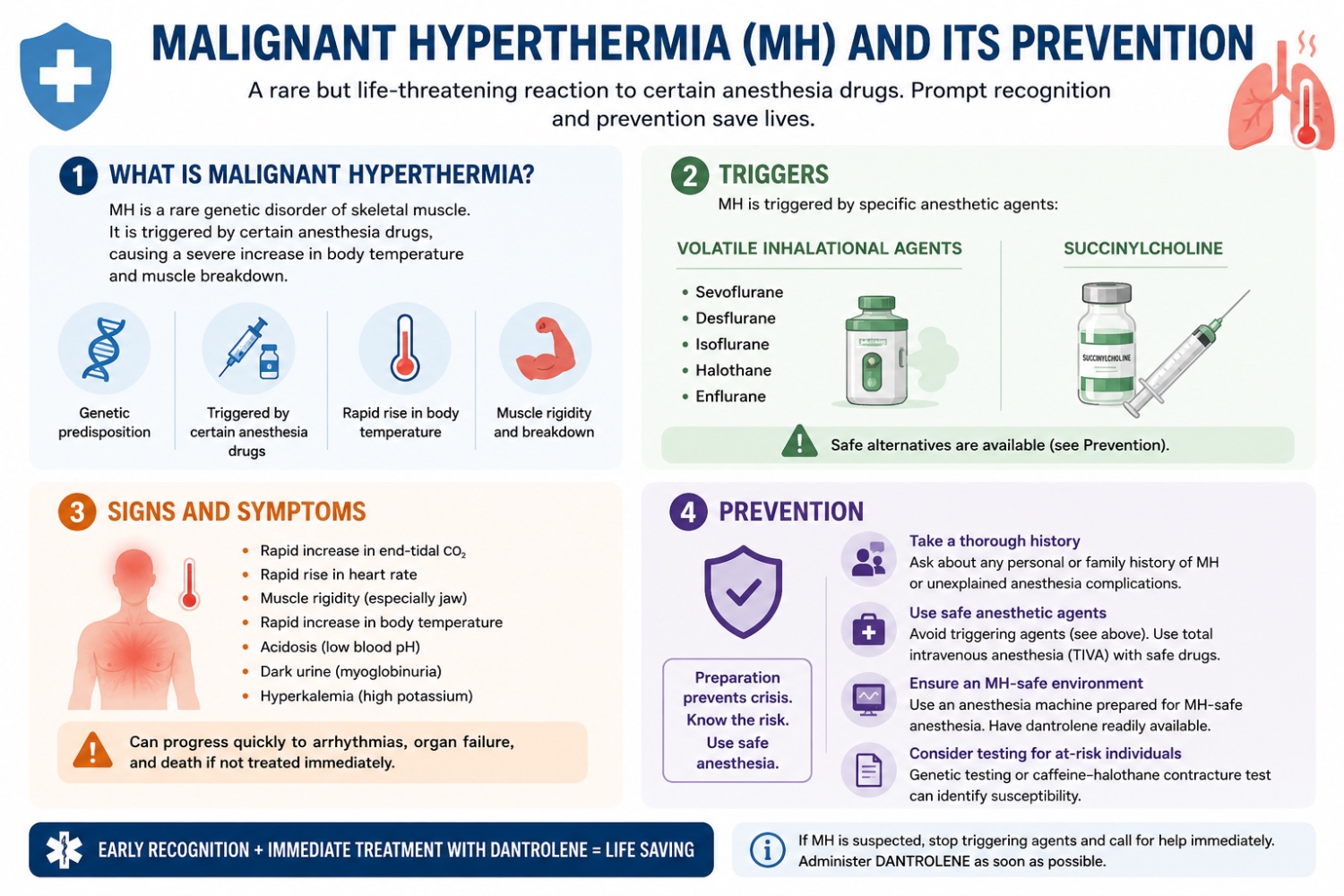
Malignant hyperthermia (MH) is a life-threatening musculoskeletal crisis that can occur in susceptible individuals undergoing anesthesia. Patients at high risk for malignant hyperthermia, particularly those with a family history of the disor…
Read More →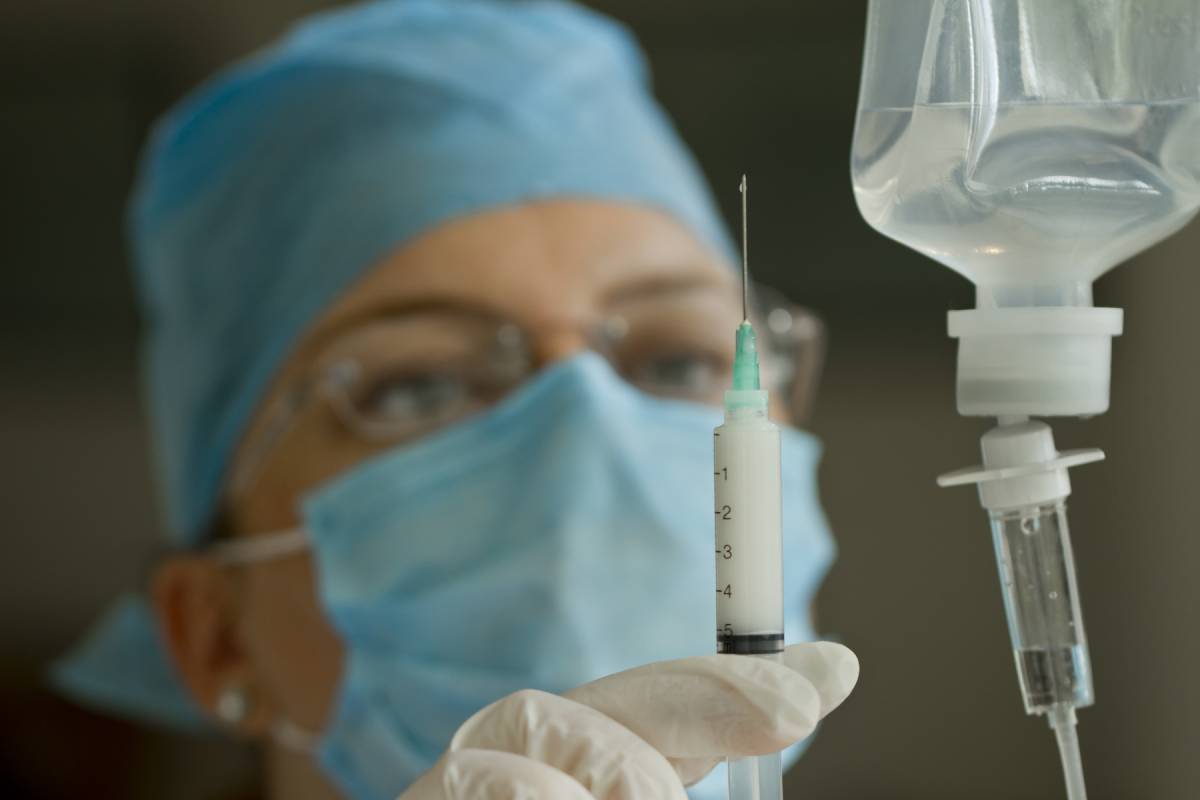
Maintaining a patient within a specific range of consciousness via precisely controlled anesthetic drug concentrations is critical to safe and … Conti
Read More →
Despite the expeditious development of effective COVID-19 vaccines, a common concern is that SARS-CoV-2 variants may prolong the pandemic. Prominent v
Read More →
Autism spectrum disorder (ASD) is a neurodevelopmental disorder characterized by impaired social interaction, disordered communication skills, and rep
Read More →
As humans age, the ability of their organs to function well becomes limited [1]. This deterioration manifests in several conditions, including … Conti
Read More →
COVID-19, the most notorious infection in recent history, has been the main focus of the research community. One area of … Continue reading “Current R
Read More →
During perioperative anesthesia management, physicians face unique challenges when treating patients who smoke cigarettes. Besides the detrimental imp
Read More →
Concern for the quality of healthcare delivery is important to both the healthcare industry and the general public. This concern is especially high in
Read More →